
Digging deeper
Plant sedimentary ancient DNA in archaeobotanical studies
DOI:
https://doi.org/10.35686/AR.2026.332Keywords:
sedaDNA, environmental archaeology, palaeobotany, palaeoecology, vegetationAbstract
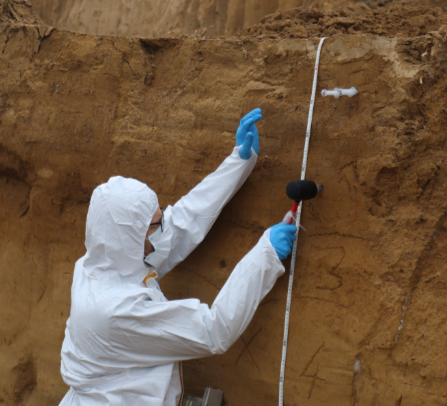
The analysis of plant sedimentary ancient DNA (sedaDNA) is increasingly being applied in paleoecology and is now gaining relevance in archaeobotany and archaeology. This review outlines the practices involved in sedaDNA sampling, extraction, and analysis, emphasising contamination prevention and methodological considerations. Various genetic methods (metagenomics, metabarcoding, and target enrichment) are discussed concerning their strengths, limitations, and suitability for specific research questions. This review also examines the methodological advances, applications, and challenges associated with plant sedaDNA research, especially highlighting its potential to refine paleoenvironmental reconstructions when combined with other traditional archaeobotanical and palaeoecological methods. SedaDNA can allow researchers to detect various plant species, including those that may not have left morphologically determinable remains, thereby offering a more comprehensive understanding of past ecosystems. The approach provides crucial evidence for analysing long-term vegetation changes, climate impacts, and the role of humans in shaping biodiversity. Moreover, sedaDNA may also allow the detection of species used or encountered by humans at the site level. As sequencing technologies and bioinformatic tools continue to advance, sedaDNA will further enhance interdisciplinary research by connecting traditional methods.
Downloads
References
Aldeias, V. – Stahlschmidt, M. C. 2024: Sediment DNA can revolutionize archaeology—if it is used the right way. Proceedings of the National Academy of Sciences 121, e2317042121. DOI: https://doi.org/10.1073/pnas.2317042121
Alsos, I. G. – Boussange, V. – Rijal, D. P. – Beaulieu, M. – Brown, A. G. – Herzschuh, U. – Svenning, J. C. – Pellissier, L. 2024: Using ancient sedimentary DNA to forecast ecosystem trajectories under climate change. Philosophical Transactions of the Royal Society B: Biological Sciences 379, 20230017. DOI: https://doi.org/10.1098/rstb.2023.0017
Alsos, I. G. – Lammers, Y. – Kjellman, S. – Merkel, M. – Bender, E. et al. 2021: Ancient sedimentary DNA shows rapid post-glacial colonisation of Iceland followed by relatively stable vegetation until the Norse settlement (Landnám) AD 870. Quaternary Science Reviews 259, 106903. DOI: https://doi.org/10.1016/j.quascirev.2021.106903
Alsos, I. G. – Sjögren, P. – Brown, T. – Gielly, L. – Merkel, M. et al. 2020: Last Glacial Maximum environmental conditions at Andøya, northern Norway; evidence for a northern ice-edge ecological “hotspot”. Quaternary Science Reviews 239, 106364. DOI: https://doi.org/10.1016/j.quascirev.2020.106364
Andersen, K. – Bird, K.L. – Rasmussen, M. – Haile, J. - Breuning-Madsen, H. – Kjær, K.H. – Orlando, L. – Gilbert, M.T.P. – Willerslev, E. 2012: Meta-barcoding of ‘dirt’ DNA from soil reflects vertebrate biodiversity. Molecular Ecology 21, 1966–1979. DOI: https://doi.org/10.1111/j.1365-294X.2011.05261.x
Armbrecht, L. 2020: The Potential of Sedimentary Ancient DNA to Reconstruct Past Ocean Ecosystems. Oceanography 33, 116–123. DOI: https://doi.org/10.5670/oceanog.2020.211
Augustijns, F. – Giguet-Covex, C. – Tilahun, A. K. – Broothaerts, N. – Verstraeten, G. 2022: The paleoenvironmental history of the wetland Gelba in the Gamo Highlands of Ethiopia: a Holocene vegetation reconstruction with sedimentary ancient DNA. Conference abstract. EGU General Assembly 2022. EGU22-10334. DOI: https://doi.org/10.5194/egusphere-egu22-10334
Barton, H. – Torrence, R. 2015: Cooking up recipes for ancient starch: assessing current methodologies and looking to the future. Journal of Archaeological Science 56, 194–201. DOI: https://doi.org/10.1016/j.jas.2015.02.031
Behre, K. E. 2008: Collected seeds and fruits from herbs as prehistoric food. Vegetation History and Archaeobotany 17, 65–73. DOI: https://doi.org/10.1007/s00334-007-0106-x
Birks, H. J. B. - Berglund, B. E. 2018: One hundred years of Quaternary pollen analysis 1916–2016. Vegetation History and Archaeobotany 27, 271–309. DOI: https://doi.org/10.1007/s00334-017-0630-2
Bossard, N. – Jacob, J. – Le Milbeau, C. – Sauze, J. – Terwilliger, V. – Poissonnier, B. – Vergès, E. 2013: Distribution of miliacin (olean-18-en-3β-ol methyl ether) and related compounds in broomcorn millet (Panicum miliaceum) and other reputed sources: Implications for the use of sedimentary miliacin as a tracer of millet. Organic Geochemistry 63, 48–55. DOI: https://doi.org/10.1016/j.orggeochem.2013.07.012
Braadbaart, F. – Reidsma, F. – Roebroeks, W. – Chiotti, L. – Slon, V. – Meyer, A. – Théry-Parisot, I. – Nierop, K. G. J. – Kaal, J. – Marquer, L. 2020: Heating histories and taphonomy of ancient fireplaces: A multi-proxy case study from the Upper Palaeolithic sequence of Abri Pataud (Les Eyzies-de-Tayac, France). Journal of Archaeological Science: Reports 33, 102468. DOI: https://doi.org/10.1016/j.jasrep.2020.102468
Bradshaw, R. 1991: Spatial scale in the pollen record. In: D. R. Harris – K. D. Thomas (eds.), Modelling Ecological Change. London: Routledge, 41–52.
Bremond, L. – Favier, C. – Ficetola, G. F. – Tossou, M. G. – Akouégninou, A. – Gielly, L. – Giguet-Covex, C. – Oslisly, R. – Salzmann, U. 2017: Five thousand years of tropical lake sediment DNA records from Benin. Quaternary Science Reviews 170, 203–211. DOI: https://doi.org/10.1016/j.quascirev.2017.06.025
Broström, A. – Nielsen, A. B. – Gaillard, M.-J. – Hjelle, K. – Mazier, F. et al. 2008: Pollen productivity estimates of key European plant taxa for quantitative reconstruction of past vegetation: a review. Vegetation History and Archaeobotany 17, 461–478. DOI: https://doi.org/10.1007/s00334-008-0148-8
Brown, A. G. – Lucas, M. – Alsos, I. G. – Fromm, B. – Hudson, S. 2025: The sedaDNA revolution and archaeology: Progress, challenges, and a research agenda. Journal of Archaeological Science 174, 106132. DOI: https://doi.org/10.1016/j.jas.2024.106132
Brown, T. – Rijal, D. – Heintzman, P. – Clarke, C. – Blankholm, H. P. – Høeg, H. – Lammers, Y. – Bråthen, K. – Edwards, M. – Alsos, I. 2022: Paleoeconomy more than demography determined prehistoric human impact in Arctic Norway. PNAS Nexus 1, pgac209. DOI: https://doi.org/10.1093/pnasnexus/pgac209
Cai, P. – Huang, Q. – Zhang, X. 2006: Interactions of DNA with Clay Minerals and Soil Colloidal Particles and Protection against Degradation by DNase. Environmental Science & Technology 40, 2971–2976. DOI: https://doi.org/10.1021/es0522985
Capo, E. – Giguet-Covex, C. – Rouillard, A. – Nota, K. – Heintzman, P. et al. 2021: Lake Sedimentary DNA Research on Past Terrestrial and Aquatic Biodiversity: Overview and Recommendations. Quaternary 4, 6.
Chen, W. – Bajard, M. – Arnaud, F. – Poulenard, J. – Sabatier, P. – Taberlet, P. – Ficelota, G. F. 2016: Long term plant community changes reconstructed from sediment DNA in an alpine lake. Conference presentation. Dynamics of socio-ecosystems on a changing Earth: sustainability or collapse? Pages Workshop, Chambéry, France.
Clarke, C. L. – Heintzman, P. D. – Lammers, Y. – Monteath, A. J. – Bigelow, N. H. – Reuther, J. D. – Potter, B. A. – Hughes, P. D. – Alsos, I. G. – Edwards, M. E. 2024: Steppe-tundra composition and deglacial floristic turnover in interior Alaska revealed by sedimentary ancient DNA (sedaDNA). Quaternary Science Reviews 334, 108672. DOI: https://doi.org/10.1016/j.quascirev.2024.108672
Courtin, J. – Perfumo, A. – Andreev, A. A. – Opel, T. – Stoof-Leichsenring, K. R. – Edwards, M. E. – Murton, J. B. – Herzschuh, U. 2022: Pleistocene glacial and interglacial ecosystems inferred from ancient DNA analyses of permafrost sediments from Batagay megaslump, East Siberia. Environmental DNA 4, 1265–1283. DOI: https://doi.org/10.1002/edn3.336
Courtin, J. – Stoof-Leichsenring, K. R. – Lisovski, S. – Liu, Y. – Alsos, I. G. et al. 2025: Potential plant extinctions with the loss of the Pleistocene mammoth steppe. Nature Communications 16, 645. DOI: https://doi.org/10.1038/s41467-024-55542-x
Cribdon, B. 2021: Using sedaDNA from North Sea sediment cores to reconstruct the early Holocene palaeoenvironment. Coventry: University of Warwick. Unpublished PhD thesis.
Cribdon, B. – Ware, R. – Smith, O. – Gaffney, V. – Allaby, R. G. 2020: PIA: More Accurate Taxonomic Assignment of Metagenomic Data Demonstrated on sedaDNA From the North Sea. Frontiers in Ecology and Evolution 8, 84. DOI: https://doi.org/10.3389/fevo.2020.00084
Croft, D. A. – Su, D. F. – Simpson, S. W. (eds.) 2018: Methods in paleoecology. Reconstructing Cenozoic Terrestrial Environments and Ecological Communities. Cham: Springer. DOI: https://doi.org/10.1007/978-3-319-94265-0
Crump, S. E. – Fréchette, B. – Power, M. – Cutler, S. – de Wet, G. et al. 2021: Ancient plant DNA reveals High Arctic greening during the Last Interglacial. Proceedings of the National Academy of Sciences of the United States of America 118, e2019069118. DOI: https://doi.org/10.1073/pnas.2019069118
Dabney, J. – Meyer, M. – Pääbo, S. 2013: Ancient DNA damage. Cold Spring Harbor Perspectives in Biology 5, a012567. DOI: https://doi.org/10.1101/cshperspect.a012567
Deza-Araujo, M. – Morales-Molino, C. – Conedera, M. – Pezzatti, G. B. – Pasta, S. – Tinner, W. 2022: Influence of taxonomic resolution on the value of anthropogenic pollen indicators. Vegetation History and Archaeobotany 31, 67–84. DOI: https://doi.org/10.1007/s00334-021-00838-x
Dommain, R. – Andama, M. – McDonough, M. M. – Prado, N. A. – Goldhammer, T. – Potts, R. – Maldonado, J. E. – Nkurunungi, J. B. – Campana, M. G. 2020: The Challenges of Reconstructing Tropical Biodiversity with Sedimentary Ancient DNA: A 2200-Year-Long Metagenomic Record from Bwindi Impenetrable Forest, Uganda. Frontiers in Ecology and Evolution 8, 218. DOI: https://doi.org/10.3389/fevo.2020.00218
Edwards, M. – Clarke, C. – Bigelow, N. – Heintzman, P. – Potter, B. – Alsos, I. – Reuther, J. 2021: Late Quaternary vegetation dynamics in interior Alaska revealed by sedimentary ancient DNA (sedaDNA) from lake sediment and unfrozen (loessic) archaeological sediments. Conference abstract. EGU General Assembly 2021. EGU21-16451. DOI: https://doi.org/10.5194/egusphere-egu21-16451
Ekram, A. E. – Hamilton, R. – Campbell, M. – Plet, C. – Kose, S. – Russell, J. – Stevenson, J. – Coolen, M. 2021: A 1 Ma record of climate-induced vegetation changes using sedaDNA and pollen in a biodiversity hotspot: Lake Towuti, Sulawesi, Indonesia. Conference abstract. European Geosciences Union (EGU) General Assembly. EGU21-4003. DOI: https://doi.org/10.5194/egusphere-egu21-4003
Elliott, L. – Rijal, D. – Brown, T. – Bakke, J. – Topstad, L. – Heintzman, P. – Alsos, I. 2023: Sedimentary Ancient DNA Reveals Local Vegetation Changes Driven by Glacial Activity and Climate. Quaternary 6, 7. DOI: https://doi.org/10.3390/quat6010007
Epp, L. S. – Gil-Romera, G. – Zimmermann, H. – Stoof-Leichsenring, K. – Herzschuh, U. – Opgenoorth, L. – Lamb, H. F. 2019a: Four millennia of vegetation and lake ecosystem changes recorded in sedimentary ancient DNA from the Bale Mountains, Ethiopia. Poster presentation. 20th Congress of the International Union for Quaternary Research (INQUA), Dublin.
Epp, L. S. – Gussarova, G. – Boessenkool, S. – Olsen, J. – Haile, J. et al. 2015: Lake sediment multi-taxon DNA from North Greenland records early post-glacial appearance of vascular plants and accurately tracks environmental changes. Quaternary Science Reviews 117, 152–163. DOI: https://doi.org/10.1016/j.quascirev.2015.03.027
Epp, L. S. – Zimmermann, H. H. – Stoof-Leichsenring, K. R. 2019b: Sampling and extraction of ancient DNA from sediments. In: B. Shapiro – A. Barlow – P. D. Heintzman – M. Hofreiter – J. L. A. Paijmans – A. Soares (eds.), Ancient DNA: Methods and Protocols. Methods in Molecular Biology 1963. New York: Humana, 31–44. DOI: https://doi.org/10.1007/978-1-4939-9176-1_5
Everett, R. 2021: Investigating the preservation of ancient sedimentary DNA (sedaDNA) from three case study wetland environments: towards better understanding of sedaDNA as a tool for palaeoecological reconstruction. Coventry: University of Warwick. Unpublished PhD thesis.
Everett, R. – Cribdon, B. 2023: MetaDamage tool: Examining post-mortem damage in sedaDNA on a metagenomic scale. Frontiers in Ecology and Evolution 10, 888421. DOI: https://doi.org/10.3389/fevo.2022.888421
Fellows Yates, J. A. – Lamnidis, T. C. – Borry, M. – Andrades Valtueña, A. – Fagernäs, Z. – Clayton, S. – Garcia, M. U. – Neukamm, J. – Peltzer, A. 2021: Reproducible, portable, and efficient ancient genome reconstruction with nf-core/eager. PeerJ 9, e10947. DOI: https://doi.org/10.7717/peerj.10947
Filipović, D. – Meadows, J. – Dal Corso, M. – Kirleis, W. – Alsos, I. G. et al. 2020: New AMS 14C dates track the arrival and spread of broomcorn millet cultivation and agricultural change in prehistoric Europe. Scientific Reports 10, 13698. DOI: https://doi.org/10.1038/s41598-020-70495-z
de Filippo, C. – Meyer, M. – Prüfer, K. 2018: Quantifying and reducing spurious alignments for the analysis of ultra-short ancient DNA sequences. BMC Biology 16, 121. DOI: https://doi.org/10.1186/s12915-018-0581-9
Freeman, C. L. – Dieudonné, L. – Agbaje, O. B. A. – Žure, M. – Sanz, J. Q. – Collins, M. – Sand, K. K. 2023: Survival of environmental DNA in sediments: mineralogic control on DNA taphonomy. Environmental DNA 5, 1691–1705. DOI: https://doi.org/10.1002/edn3.482
Gaffney, V. – Fitch, S. – Bates, M. 2020: Multi-Proxy Characterisation of the Storegga Tsunami and Its Impact on the Early Holocene Landscapes of the Southern North Sea. Geosciences 10, 270. DOI: https://doi.org/10.3390/geosciences10070270
Garcés-Pastor, S. – Coissac, É. – Lavergne, S. – Schwörer, C. – Theurillat, J. P. et al. 2022: High resolution ancient sedimentary DNA shows that alpine plant diversity is associated with human land use and climate change. Nature Communications 13, 6559. DOI: https://doi.org/10.1038/s41467-022-34010-4
Gelabert, P. – Sawyer, S. – Bergström, A. – Margaryan, A. – Collin, T. C. et al. 2021: Genome-scale sequencing and analysis of human, wolf, and bison DNA from 25,000-year-old sediment. Current Biology 31, 3564–3574. DOI: https://doi.org/10.1016/j.cub.2021.06.023
Giguet-Covex, C. – Ficetola, G. F. – Walsh, K. J. – Poulenard, J. – Bajard, M. et al. 2019: New insights on lake sediment DNA from the catchment: importance of taphonomic and analytical issues on the record quality. Scientific Reports 9, 14676. DOI: https://doi.org/10.1038/s41598-019-50339-1
Gu, Z. – Gao, Y. – Wang, Y. – Jishuai, Y. – Ran, J. et al. 2023: Food resources of the Khog Gzung site on the Tibetan Plateau revealed by sedimentary ancient DNA. Science China Earth Sciences 66, 840–851. DOI: https://doi.org/10.1007/s11430-022-1051-8
Han, X. – Jia, N. – Hu, S. – Feng, L. – Gu, Z. – Yang, X. 2025: Translocation of sedimentary ancient DNA in archaeological cultural deposits: Mechanism and prospects. Journal of Archaeological Science 184, 106424. DOI: https://doi.org/10.1016/j.jas.2025.106424
Haouchar, D. – Haile, J. – McDowell, M. C. – Murray, D. C. – White, N. E. – Allcock, R. J. N. – Phillips, M. J. – Prideaux, G. J. – Bunce, M. 2014: Thorough assessment of DNA preservation from fossil bone and sediments excavated from a late Pleistocene–Holocene cave deposit on Kangaroo Island, South Australia. Quaternary Science Reviews 84, 56–64. DOI: https://doi.org/10.1016/j.quascirev.2013.11.007
Harning, D. J. – Sacco, S. – Anamthawat-Jónsso, K. – Ardenghi, N. – Thordarson, T. – Raberg, J. H. – Sepúlveda, J. – Geirsdóttir, Á. – Shapiro, B. – Miller, G. 2023: Delayed postglacial colonization of Betula in Iceland and the circum North Atlantic. bioRxiv, preprint. DOI: https://doi.org/10.7554/eLife.87749.2
Haslam, M. 2004: The decomposition of starch grains in soils: implications for archaeological residue analyses. Journal of Archaeological Science 31, 1715–1734. DOI: https://doi.org/10.1016/j.jas.2004.05.006
Heintzman, P. – Nota, K. – Rouillard, A. – Lammers, Y. – Murchie, T. – Armbrecht, L. – Garcés-Pastor, S. – Vernot, B. 2023: The Sedimentary Ancient DNA Workflow. In: E. Capo – C. Barouillet – J. P. Smol (eds.), Tracking Environmental Change Using Lake Sediments. Volume 6: Sedimentary DNA. Cham: Springer, 53–84. DOI: https://doi.org/10.1007/978-3-031-43799-1_3
von Hippel, B. – Stoof-Leichsenring, K. R. – Schulte, L. – Seeber, P. – Epp, L. S. – Biskaborn, B. K. – Diekmann, B. – Melles, M. – Pestryakova, L. – Herzschuh, U. 2022: Long-term fungus – plant covariation from multi-site sedimentary ancient DNA metabarcoding. Quaternary Science Reviews 295, 107758. DOI: https://doi.org/10.1016/j.quascirev.2022.107758
Hofreiter, M. – Jaenicke, V. – Serre, D. – von Haeseler, A. – Pääbo, S. 2001: DNA sequences from multiple amplifications reveal artifacts induced by cytosine deamination in ancient DNA. Nucleic Acids Research 29, 4793–4799. DOI: https://doi.org/10.1093/nar/29.23.4793
Hošková, K. 2025: Modern phytolith analysis: development of possible solutions for (palaeo-)ecological problems. Prague: Charles University. Unpublished PhD thesis.
Huang, S. – Stoof-Leichsenring, K. R. – Liu, S. – Courtin, J. – Andreev, A. A. – Pestryakova, L. A. – Herzschuh, U. 2021: Plant Sedimentary Ancient DNA From Far East Russia Covering the Last 28,000 Years Reveals Different Assembly Rules in Cold and Warm Climates. Frontiers in Ecology and Evolution 9, 763747. DOI: https://doi.org/10.3389/fevo.2021.763747
Hudson, S. – Allen, S. – Alsos, I. – Curl, J. – Heintzman, P. et al. 2023: Early Neolithic Forest farming at Seven Springs, Martlesham, Suffolk inferred from sedaDNA and pollen. bioRxiv, preprint. DOI: https://doi.org/10.1101/2023.10.11.561859
Hudson, S. M. – Waddington, C. – Pears, B. – Ellis, N. – Parker, L. – Hamilton, D. – Alsos, I. G. – Hughes, P. – Brown, A. 2022: Lateglacial and Early Holocene palaeoenvironmental change and human activity at Killerby Quarry, North Yorkshire, UK. Journal of Quaternary Science 38, 403–422. DOI: https://doi.org/10.1002/jqs.3488
Jia, W. – Anslan, S. – Chen, F. – Cao, X. – Dong, H. et al. 2022: Sedimentary ancient DNA reveals past ecosystem and biodiversity changes on the Tibetan Plateau: Overview and prospects. Quaternary Science Reviews 293, 107703. DOI: https://doi.org/10.1016/j.quascirev.2022.107703
Jørgensen, T. – Kjær, K. H. – Haile, J. – Rasmussen, M. – Boessenkool, S. et al. 2011: Islands in the ice: Detecting past vegetation on Greenlandic nunataks using historical records and sedimentary ancient DNA Meta-barcoding. Molecular Ecology 21, 1980–1988. DOI: https://doi.org/10.1111/j.1365-294X.2011.05278.x
Kanbar, H. – Olajos, F. – Englund, G. – Holmboe, M. 2020: Geochemical identification of potential DNA-hotspots and DNA-infrared fingerprints in lake sediments. Applied Geochemistry 122, 104728. DOI: https://doi.org/10.1016/j.apgeochem.2020.104728
Kjær, K. H. – Pedersen, M. W. – De Sanctis, B. – De Cahsan, B. – Korneliussen, T. S. et al. 2022: A 2-million-year-old ecosystem in Greenland uncovered by environmental DNA. Nature 612, 283–291. DOI: https://doi.org/10.1038/s41586-022-05453-y
Knapp, M. – Clarke, A. C. – Horsburgh, K. A. – Matisoo-Smith, E. A. 2012: Setting the stage – building and working in an ancient DNA laboratory. Annals of Anatomy 194, 3–6. DOI: https://doi.org/10.1016/j.aanat.2011.03.008
Kučera, L. – Peška, J. – Fojtík, P. – Barták, P. – Kučerová, P. et al. 2019: First direct evidence of broomcorn millet (Panicum miliaceum) in Central Europe. Archaeological and Anthropological Sciences 11, 4221–4227. DOI: https://doi.org/10.1007/s12520-019-00798-4
La Torre, R. – Kosel, P. – Bieker, V. C. – Bakke Westergaard, K. – Mykkeltvedt, J. L. et al. 2026: Sedimentary ancient DNA metagenomic analysis provides new insights into farming in central Norway from the Bronze Age to late Medieval period. Journal for Archaeological Science 190, 106556. DOI: https://doi.org/10.1016/j.jas.2026.106556
Liu, S. – Stoof-Leichsenring, K. R. – Kruse, S. – Pestryakova, L. – Herzschuh, U. 2020: Holocene Vegetation and Plant Diversity Changes in the North-Eastern Siberian Treeline Region From Pollen and Sedimentary Ancient DNA. Frontiers in Ecology and Evolution 8, 560243. DOI: https://doi.org/10.3389/fevo.2020.560243
Ludemann, T. – Nelle, O. 2017: Anthracology: local to global significance of charcoal science. Quaternary International 457, 1–5. DOI: https://doi.org/10.1016/j.quaint.2017.10.003
Marchesini, A. – Festi, D. – Girardi, M. – Micheletti, D. – Vernesi, C. – Luetscher, M. 2022: Ancient DNA from speleothems: opportunity or challenge? Quaternary Research 112, 180–188. DOI: https://doi.org/10.1017/qua.2022.46
Massilani, D. – Morley, M. W. – Mentzer, S. M. – Aldeias, V. – Vernot, B. et al. 2022: Microstratigraphic preservation of ancient faunal and hominin DNA in Pleistocene cave sediments. Proceedings of the National Academy of Sciences of the United States of America 119, e2113666119. DOI: https://doi.org/10.1073/pnas.2113666118
Messager, E. – Giguet-Covex, C. – Doyen, E. – Etienne, D. – Gielly, L. et al. 2022: Two Millennia of Complexity and Variability in a Perialpine Socioecological System (Savoie, France): The Contribution of Palynology and sedaDNA Analysis. Frontiers in Ecology and Evolution 10, 866781. DOI: https://doi.org/10.3389/fevo.2022.866781
Morlock, M. A. - Rodriguez-Martinez, S.- Huang, D. Y.-T.- Klaminder, J. 2023: Erosion regime controls sediment eDNA-based community reconstruction. Conference abstract. EGU General Assembly 2023. EGU23-2631. DOI: https://doi.org/10.5194/egusphere-egu23-2631
Murchie, T. J. – Monteath, A. J. – Mahony, M. E. – Long, G. S. – Cocker, S. et al. 2021a: Collapse of the mammoth-steppe in central Yukon as revealed by ancient environmental DNA. Nature Communications 12, 7120. DOI: https://doi.org/10.1038/s41467-021-27439-6
Murchie, T. J. – Kuch, M. – Duggan, A. T. – Ledger, M. L. – Roche, K. et al. 2021b: Optimizing extraction and targeted capture of ancient environmental DNA for reconstructing past environments using the PalaeoChip Arctic-1.0 bait-set. Quaternary Research 99, 305–328. DOI: https://doi.org/10.1017/qua.2020.59
Nota, K. 2026: Kevinnota/NED-flow: NED-flow – Initial release (Version v1.0.0) [Computer software]. Zenodo. https://doi.org/10.5281/zenodo.19453718
Novák, J. – Abraham, V. – Kočár, P. – Petr, L. – Kočárová, R. – Nováková, K. – Houfková, P. – Jankovská, V. – Vaněček, Z. 2017: Middle- and upper-Holocene woodland history in central Moravia (Czech Republic) reveals biases of pollen and anthracological analysis. The Holocene 27, 349–360. DOI: https://doi.org/10.1177/0959683616660166
Orlando, L. – Allaby, R. – Skoglund, P. – Der Sarkissian, C. – Stockhammer, P. W. et al. 2021: Ancient DNA analysis. Nature Reviews Methods Primers 1, 14. DOI: https://doi.org/10.1038/s43586-020-00011-0
Özdoğan, K. T. – Gelabert, P. – Hammers, N. – Altınışık, N. E. – de Groot, A. – Plets, G. 2024: Archaeology meets environmental genomics: implementing sedaDNA in the study of the human past. Archaeological and Anthropological Sciences 16, 108. DOI: https://doi.org/10.1007/s12520-024-01999-2
Pansu, J. – Giguet-Covex, C. – Ficetola, G. F. – Gielly, L. – Boyer, F. – Zinger, L. – Arnaud, F. – Poulenard, J. – Taberlet, P. – Choler, P. 2015: Reconstructing long-term human impacts on plant communities: an ecological approach based on lake sediment DNA. Molecular Ecology 24, 1485–1498. DOI: https://doi.org/10.1111/mec.13136
Parducci, L. – Alsos, I. G. – Unneberg, P. – Pedersen, M. W. – Han, L. – Lammers, Y. – Salonen, J. S. – Väliranta, M. – Slotte, T. – Wohlfarth, B. 2019: Shotgun Environmental DNA, Pollen, and Macrofossil Analysis of Lateglacial Lake Sediments From Southern Sweden. Frontiers in Ecology and Evolution 7, 189. DOI: https://doi.org/10.3389/fevo.2019.00189
Parducci, L. – Suyama, Y. – Lascoux, M. – Bennett, K. D. 2005: Ancient DNA from pollen: a genetic record of population history in Scots pine. Molecular Ecology 14, 2873–2882. DOI: https://doi.org/10.1111/j.1365-294X.2005.02644.x
Parducci, L. – Väliranta, M. – Salonen, J. S. – Ronkainen, T. – Matetovici, I. – Fontana, S. – Eskola, T. – Sarala, P. – Suyama, Y. 2015: Proxy comparison in ancient peat sediments: Pollen, macrofossil and plant DNA. Philosophical Transactions of the Royal Society B: Biological Sciences 370, 20130382. DOI: https://doi.org/10.1098/rstb.2013.0382
Pears, B. – Hudson, S. – Lang, A. – Snape, L. – Bahl, Ch. et al. 2025: Late Holocene sedimentation and palaeoagronomy in a carbonate dry valley system using OSL, sedaDNA and geochemistry: Implications for understanding anthropogenic slope-sediment transfer in fluvial headwaters. Geomorphology 490, 110008. DOI: https://doi.org/10.1016/j.geomorph.2025.110008
Pearsall, D. M. 2015: Paleoethnobotany. A handbook of procedures. New York: Routledge. DOI: https://doi.org/10.4324/9781315423098
Pedersen, M. W. – Ginolhac, A. – Orlando, L. – Olsen, J. – Andersen, K. – Holm, J. – Funder, S. – Willerslev, E. – Kjær, K. H. 2013: A comparative study of ancient environmental DNA to pollen and macrofossils from lake sediments reveals taxonomic overlap and additional plant taxa. Quaternary Science Reviews 75, 161–168. DOI: https://doi.org/10.1016/j.quascirev.2013.06.006
Pedersen, M. W. – Overballe-Petersen, S. – Ermini, L. – Der Sarkissian, C. – Haile, J. et al. 2015: Ancient and modern environmental DNA. Philosophical Transactions of the Royal Society B: Biological Sciences 370, 20130383. DOI: https://doi.org/10.1098/rstb.2013.0383
Pedersen, M. W. – Ruter, A. – Schweger, C. – Friebe, H. – Staff, R. A. et al. 2016: Postglacial viability and colonization in North America’s ice-free corridor. Nature 537, 45–49. DOI: https://doi.org/10.1038/nature19085
Perfumo, A. – Çabuk, U. – Schulte, L. – Courtin, J. – Harms, L. – Stoof-Leichsenring, K. R. – Herzschuh, U. 2023: Paleometagenomics reveals environmental microbiome response to vegetation changes in northern Siberia over the millennia. Environmental DNA 5, 1252–1264. DOI: https://doi.org/10.1002/edn3.446
Piperno, D. R. 2006: Phytoliths: A comprehensive guide for archaeologists and paleoecologists. London: Bloomsbury Academic. DOI: https://doi.org/10.5040/9798216409281
Piperno, D. – Weiss, E. – Holst, I. – Nadel, D. 2004: Processing of wild cereal grains in the Upper Palaeolithic revealed by starch grain analysis. Nature 430, 670–673. DOI: https://doi.org/10.1038/nature02734
Poliakova, A. – Brown, A. G. – Sanderson, D. C. W. – Alsos, I. G. 2021: Flood and desiccation events reconstructed based on luminescence profiles and palaeobotanical proxies from the High Arctic Lake Tenndammen, Svalbard. Conference abstract. EGU General Assembly 2021. EGU21-4518. DOI: https://doi.org/10.5194/egusphere-egu21-4518
Rampelli, S. – Turroni, S. – Mallol, C. – Hernández, C. – Galván, B. et al. 2021: Components of a Neanderthal gut microbiome recovered from fecal sediments from El Salt. Communications Biology 4, 169. DOI: https://doi.org/10.1038/s42003-021-01689-y
Rohland, N. – Glocke, I. – Aximu-Petri, A. – Meyer, M. 2018: Extraction of highly degraded DNA from ancient bones, teeth and sediments for high-throughput sequencing. Nature Protocols 13, 2447–2461. DOI: https://doi.org/10.1038/s41596-018-0050-5
Šálková, T. – Bezděk, A. – Březinová, H. – Frouz, J. – Chvojka, O. – Jiřík, J. – Kovář, D. – Myšková, E. – Novák, J. – Šmejda, L. 2015: Bioarchaeological reconstruction of the funeral rite – case study based on organic material from the Hallstatt Period tumulus at the site Zahrádka (South Bohemia, Czech Republic). Památky archeologické 106, 95–135.
Sawyer, S. – Krause, J. – Guschanski, K. – Savolainen, V. – Pääbo, S. 2012: Temporal Patterns of Nucleotide Misincorporations and DNA Fragmentation in Ancient DNA. PLoS ONE 7, e34131. DOI: https://doi.org/10.1371/journal.pone.0034131
ter Schure, A. T. M. – Bajard, M. – Loftsgarden, K. – Høeg, H. I. – Ballo, E. et al. 2021: Anthropogenic and environmental drivers of vegetation change in southeastern Norway during the Holocene. Quaternary Science Reviews 270, 107175. DOI: https://doi.org/10.1016/j.quascirev.2021.107175
ter Schure, A. T. M. – Bruch, A. A. – Kandel, A. W. – Gasparyan, B. – Bussmann, R. W. – Brysting, A. K. – de Boer, H. J. – Boessenkool, S. 2022: Sedimentary ancient DNA metabarcoding as a tool for assessing prehistoric plant use at the Upper Paleolithic cave site Aghitu-3, Armenia. Journal of Human Evolution 172, 103258. DOI: https://doi.org/10.1016/j.jhevol.2022.103258
Schüler, L. – Behling, H. 2011: Poaceae pollen grain size as a tool to distinguish past grasslands in South America: a new methodological approach. Vegetation History and Archaeobotany 20, 83–96. DOI: https://doi.org/10.1007/s00334-010-0265-z
Schulte, L. – Bernhardt, N. – Stoof-Leichsenring, K. – Zimmermann, H. – Pestryakova, L. – Epp, L. – Herzschuh, U. 2021: Hybridization capture of larch (Larix Mill.) chloroplast genomes from sedimentary ancient DNA reveals past changes of Siberian forest. Molecular Ecology Resources 21, 801–815. DOI: https://doi.org/10.1111/1755-0998.13311
Seersholm, F. V. – Pedersen, M. W. – Søe, M. J. – Shokry, H. – Mak, S. S. T. et al. 2016: DNA evidence of bowhead whale exploitation by Greenlandic Paleo-Inuit 4,000 years ago. Nature Communications 7, 13389. DOI: https://doi.org/10.1038/ncomms13389
Shillito, L.-M. 2013: Grains of truth or transparent blindfolds? A review of current debates in archaeological phytolith analysis. Vegetation History and Archaeobotany 22, 71–82. DOI: https://doi.org/10.1007/s00334-011-0341-z
Sjögren, P. – Edwards, M. E. – Gielly, L. – Langdon, C. T. – Croudace, I. W. – Merkel, M. K. – Fonville, T. – Alsos, I. G. 2017: Lake sedimentary DNA accurately records 20th Century introductions of exotic conifers in Scotland. New Phytologist 213, 929–941. DOI: https://doi.org/10.1111/nph.14199
Søe, M. J. – Nejsum, P. – Seersholm, F. V. – Fredensborg, B. L. – Habraken, R. et al. 2018: Ancient DNA from latrines in Northern Europe and the Middle East (500 BC–1700 AD) reveals past parasites and diet. PLoS ONE 13, e0195481. DOI: https://doi.org/10.1371/journal.pone.0195481
Sønstebø, J. H. – Gielly, L. – Brysting, A. K. – Elven, R. – Edwards, M. et al. 2010: Using next-generation sequencing for molecular reconstruction of past Arctic vegetation and climate. Molecular Ecology Resources 10, 1009–1018. DOI: https://doi.org/10.1111/j.1755-0998.2010.02855.x
Stoof-Leichsenring, K. R. – Huang, S. – Liu, S. – Jia, W. – Li, K. – Liu, X. – Pestryakova, L. A. – Herzschuh, U. 2022: Sedimentary DNA identifies modern and past macrophyte diversity and its environmental drivers in high-latitude and high-elevation lakes in Siberia and China. Limnology and Oceanography 67, 1126–1141. DOI: https://doi.org/10.1002/lno.12061
Sugita, S. 2007a: Theory of quantitative reconstruction of vegetation I: pollen from large sites REVEALS regional vegetation composition. The Holocene 17, 229–241. DOI: https://doi.org/10.1177/0959683607075837
Sugita, S. 2007b: Theory of quantitative reconstruction of vegetation II: all you need is LOVE. The Holocene 17, 243–257. DOI: https://doi.org/10.1177/0959683607075838
Tabares, X. – Zimmermann, H. – Dietze, E. – Ratzmann, G. – Belz, L. – Vieth-Hillebrand, A. – Dupont, L. – Wilkes, H. – Mapani, B. – Herzschuh, U. 2020: Vegetation state changes in the course of shrub encroachment in an African savanna since about 1850 CE and their potential drivers. Ecology and Evolution 10, 962–979. DOI: https://doi.org/10.1002/ece3.5955
Taberlet, P. – Coissac, É. – Pompanon, F. – Gielly, L. – Miquel, C. – Valentini, A. – Vermat, T. – Corthier, G. – Brochmann, C. – Willerslev, E. 2007: Power and limitations of the chloroplast trnL (UAA) intron for plant DNA barcoding. Nucleic Acids Research 35, e14. DOI: https://doi.org/10.1093/nar/gkl938
Tams, K. – Søe, M. J. – Merkytė, I. – Seersholm, F. V. – Henriksen, P. S. – Klingenberg, S. – Willerslev, E. – Kjær, K. H. – Hansen, A. J. – Kapel, C. M. O. 2018: Parasitic infections and resource economy of Danish Iron Age settlement through ancient DNA sequencing. PLoS ONE 13, e0197399. DOI: https://doi.org/10.1371/journal.pone.0197399
Tian, F. – Chen, M. – Jia, W. – Herzschuh, U. – Cao, X. 2024: Complementarity of lacustrine pollen and sedimentary DNA in representing vegetation on the central-eastern Tibetan Plateau. Frontiers of Earth Science 17, 1037–1048. DOI: https://doi.org/10.1007/s11707-022-1075-1
Tomescu, A. M. F. 2000: Evaluation of Holocene pollen records from the Romanian Plain. Review of Palaeobotany and Palynology 109, 219–233. DOI: https://doi.org/10.1016/S0034-6667(99)00056-1
van Vugt, L. – Garcés-Pastor, S. – Gobet, E. – Brechbühl, S. – Knetge, A. et al. 2022: Pollen, macrofossils and sedaDNA reveal climate and land use impacts on Holocene Mountain vegetation of the Lepontine Alps, Italy. Quaternary Science Reviews 296, 107749. DOI: https://doi.org/10.1016/j.quascirev.2022.107749
Wang, Y. – Heintzman, P. D. – Newsom, L. – Bigelow, N. H. – Wooller, M. J. – Shapiro, B. – Williams, J. W. 2017: The southern coastal Beringian land bridge: Cryptic refugium or pseudorefugium for woody plants during the Last Glacial Maximum? Journal of Biogeography 44, 1559–1571. DOI: https://doi.org/10.1111/jbi.13010
Weiß, C. L. – Schuenemann, V. J. – Devos, J. – Shirsekar, G. – Reiter, E. – Gould, B. A. – Stinchcombe, J. R. – Krause, J. – Burbano, H. A. 2016: Temporal patterns of damage and decay kinetics of DNA retrieved from plant herbarium specimens. Royal Society Open Science 3, 160239. DOI: https://doi.org/10.1098/rsos.160239
Willerslev, E. – Davison, J. – Moora, M. – Zobel, M. – Coissac, É. et al. 2014: Fifty thousand years of Arctic vegetation and megafaunal diet. Nature 506, 47–51. DOI: https://doi.org/10.1038/nature12921
Willerslev, E. – Hansen, A. J. – Binladen, J. – Brand, T. B. – Gilbert, M. T. P. – Shapiro, B. – Bunce, M. – Wiuf, C. – Gilichinsky, D. A. – Cooper, A. 2003: Diverse plant and animal genetic records from Holocene and Pleistocene sediments. Science 300, 791–795. DOI: https://doi.org/10.1126/science.1084114
Yoca, Ö. U. – Efe, H. – Yüce, Z. 2021: Ancient DNA Research: Ongoing Challenges and Contribution to Medical Sciences. Journal of Basic and Clinical Health Sciences 5, 182–189. DOI: https://doi.org/10.30621/jbachs.854258
Zampirolo, G. – Holman, L. – Sawafuji, R. – Ptáková, M. – Kovačiková, L. – Šída, P. – Pokorný, P. – Pedersen, M. W. – Walls, M. 2024: Tracing early pastoralism in Central Europe using sedimentary ancient DNA. Current Biology 34, 4676–4684. DOI: https://doi.org/10.1016/j.cub.2024.08.047
Zavala, E. I. – Jacobs, Z. – Vernot, B. – Shunkov, M. V. – Kozlikin, M. B. et al. 2021: Pleistocene sediment DNA reveals hominin and faunal turnovers at Denisova Cave. Nature 595, 399–403. DOI: https://doi.org/10.1038/s41586-021-03675-0
Zetter, S. – Garcés-Pastor, S. – Lammers, Y. – Tribsch, A. – Brown, A. G. – Coissac, É. – Lavergne, S. – Heintzman, P. D. – Alsos, I. G. 2021: Holocene reconstruction of plant communities and impacts of human activity from sedaDNA in the Austrian Alps. Conference abstract. EGU General Assembly 2021. EGU21-15432. DOI: https://doi.org/10.5194/egusphere-egu21-15432
Zimmermann, H. H. – Raschke, E. – Epp, L. S. – Stoof-Leichsenring, K. R. – Schwamborn, G. – Schirrmeister, L. – Overduin, P. P. – Herzschuh, U. 2017: Sedimentary ancient DNA and pollen reveal the composition of plant organic matter in Late Quaternary permafrost sediments of the Buor Khaya Peninsula (north-eastern Siberia). Biogeosciences 14, 575–596. DOI: https://doi.org/10.5194/bg-14-575-2017
Downloads
Published
How to Cite
License
Copyright (c) 2026 Hedvika Synková, Ondřej Šťastný, Jan Petřík, Michaela Ptáková, Zuzana Hofmanová, Matthew Walls, Petr Pokorný

This work is licensed under a Creative Commons Attribution 4.0 International License.